
Costs vary widely by city. Use these figures to build a realistic monthly budget before you arrive in 2026.
| City | Shared Rent / Month | Food Budget | Transport | Total / Month | Cost Level |
|---|---|---|---|---|---|
| 🗽New York, NY | $1,300–$1,800 | $450–$600 | $130 subway pass | $2,200–$2,800 | Very High |
| 🌉San Francisco, CA | $1,400–$2,000 | $450–$600 | $112 Muni pass | $2,200–$3,000 | Very High |
| 🦞Boston, MA | $1,100–$1,600 | $380–$500 | $90 T pass | $1,800–$2,400 | High |
| 🏙️Chicago, IL | $900–$1,300 | $350–$480 | $105 CTA pass | $1,500–$2,000 | Moderate |
| 🤠Austin, TX | $850–$1,200 | $300–$450 | $40–$120 | $1,300–$1,900 | Moderate |
| 🌻Columbus, OH | $650–$950 | $280–$400 | $30–$80 | $1,000–$1,500 | Affordable |
| 🌵Tucson, AZ | $600–$850 | $250–$380 | $30–$70 | $950–$1,400 | Affordable |
Each option suits a different budget and lifestyle. Compare before you sign anything.

Most students spend $300–$500 per month on food. These strategies help you eat well on any budget in 2026.



How you travel depends on your city. Costs range from $15 to $760 per month depending on your choice.
The USA has no free public healthcare. Every student needs insurance before enrolling at any university.

Most universities offer plans for $1,200–$3,000/year. They cover on-campus clinics and are easy to enroll in. You can waive them if private coverage is equivalent check the deadline early.
ISO Student Health, UnitedHealthcare Student, and Cigna offer plans from $100–$180/month with wider network access than most campus plans.
Nearly every university runs a low-cost clinic for basic care, mental health, flu shots, and prescriptions. Use it before paying off-campus rates.
Most universities offer 6–12 free counseling sessions per year. If wait times are long, telehealth options like BetterHelp are available from $70/month.
Yes F-1 students can work on campus up to 20 hours per week during the semester. Off-campus work requires authorization.

Getting involved is the fastest way to make friends, build skills, and feel at home in the United States.

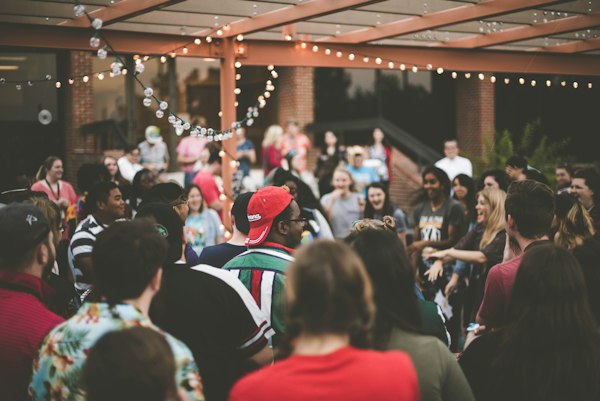

Most universities have 200–500 registered organizations. International student associations host cultural events and help you connect quickly. Professional clubs like IEEE strengthen your resume. Most cost $10–$30 per year or are completely free.
Campus recreation centers are free or $50–$100 per semester with your student ID. Intramural leagues are open to all skill levels. Most campuses offer pools, tennis courts, and climbing walls all at no extra cost.
Free or discounted concerts, film screenings, and art shows happen every week. Many universities offer free tickets to local sports events. Student government events include free food and excellent networking opportunities.
Orientation week is your best opportunity attend everything. Study groups in the library are a natural way to connect with classmates. Language exchange programs pair you with native English speakers for mutual learning.
US campuses are generally safe. Knowing your resources before you need them makes all the difference.
Every university has its own campus police available 24/7. Save their number in your phone on day one. Most campuses also offer free safety escort services at night just call and ask.
Your DSO manages your SEVIS record and visa compliance. Visit them before working off-campus, traveling abroad, or changing your program. They also help with F-1 visa extensions.
Culture shock, academic pressure, and homesickness are extremely common. Most universities offer free counseling sessions. Ask about same-day appointments for urgent mental health concerns.
Many universities maintain emergency funds for unexpected expenses. Amounts of $500–$2,000 are often available through a simple application. Visit the financial aid office before withdrawing or taking on debt.
Use the campus health center for routine care, vaccinations, and prescriptions. It is almost always cheaper than an off-campus clinic, especially if your student plan covers campus visits at no extra cost.
Call 911 for any life-threatening emergency it is free from any phone. The national mental health crisis line is 988, available 24/7 for call or text. Campus police numbers are posted at building entrances.
Real questions that students search for answered clearly and directly.

Visit your university's international student office (ISO or DSO). They can answer visa, work, and enrollment questions specific to your situation at no cost to you.
Budget $1,200–$1,600 per month in smaller cities and $2,000–$3,000 per month in expensive cities like New York or San Francisco. This covers rent, food, transport, and insurance. Your university's cost of attendance estimate is the most accurate starting point it is based on real local data.
Yes F-1 students can work on campus for up to 20 hours per week during the semester and full-time during official breaks. Off-campus work requires CPT or OPT authorization from your DSO. Working without authorization violates your visa status and can lead to serious consequences.
Yes almost all US universities require proof of health insurance to enroll. Most offer their own student health plan at $1,200–$3,000 per year. You can waive it if your private plan meets the school's requirements check the waiver deadline early as it is often the first week of semester.
Sharing a 3- or 4-bedroom apartment with other students is the cheapest option after your first year. Use Facebook Groups, Roomies.com, or your university's off-campus housing board. Always visit in person or video call before signing any lease especially if arranging it from abroad.
Bring your passport, I-20 or DS-2019, and your university acceptance letter to a branch. Chase, Bank of America, and Wells Fargo all offer student checking accounts with no monthly fees. Some banks like Citibank allow online account opening with just a passport and visa document.
Visit your campus counseling center most offer free sessions. Joining an international student association helps you connect with others who understand your experience. Regular video calls with family and building a consistent daily routine both help significantly in the first weeks.
It depends entirely on your campus location. Students at urban universities in NYC, Boston, or Chicago do not need a car public transit is excellent and parking is expensive. Students at suburban or rural campuses often need one, as public transit can be limited or non-existent outside city centers.
Yes your spouse and unmarried children under 21 can come on an F-2 dependent visa. F-2 holders cannot work in the USA, but children can attend K–12 school. Your DSO provides the required documents. Budget for significantly higher living costs if you are bringing family.
American classrooms emphasize participation speaking up, asking questions, and sharing opinions is expected and respected. Professors are accessible and actively encourage office hour visits. Academic integrity is taken very seriously: plagiarism or cheating can result in expulsion without appeal.
F-1 students must maintain full-time enrollment each semester unless your DSO grants a reduced course load for medical or academic reasons. Dropping below full-time without authorization immediately risks your SEVIS record and visa status. Always speak to your DSO before making any enrollment changes.